

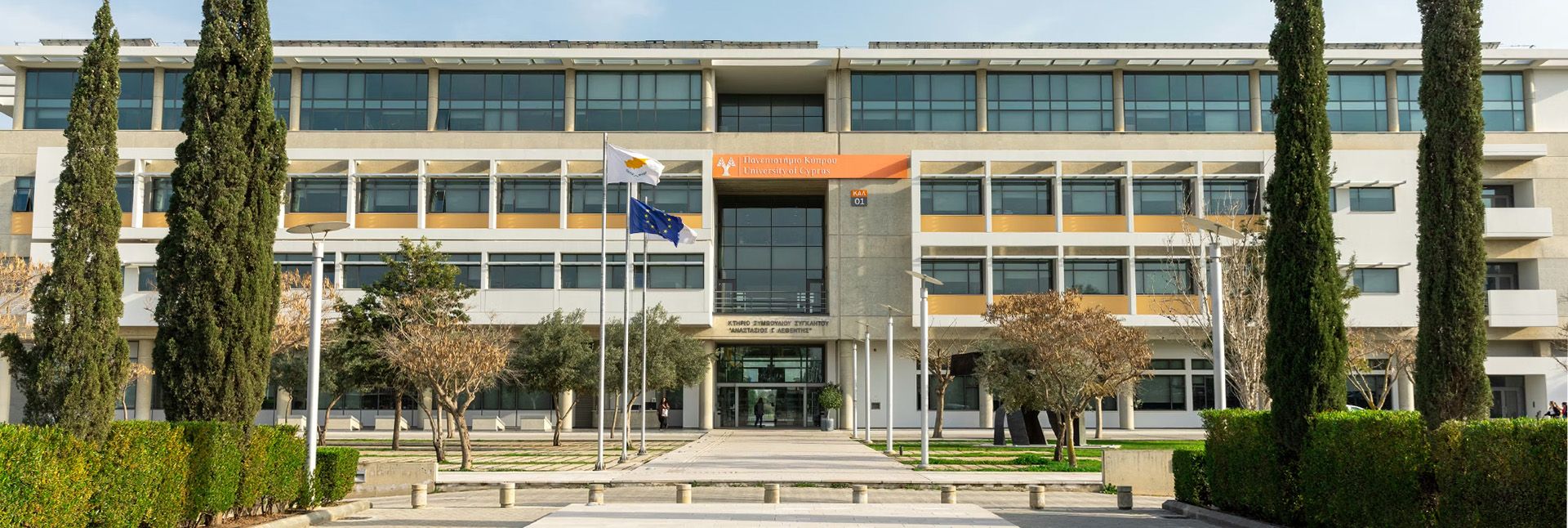
Study Destinations
Need help? Contact our experts
+(92) 345 2066 100Seek knowledge even if you have to go as far as China, for seeking knowledge is a duty on every Muslim.
Cyprus

Cyprus doesn't appear in most conversations about studying abroad. When Pakistani families visit Times Consultant, they ask about UK, Canada, Australia, maybe Germany or Netherlands. Cyprus comes up rarely, usually when someone mentions a friend's cousin who studied there or when families are specifically looking for the most affordable option within the European Union.
Here's what we've learned over two decades: Cyprus occupies a unique niche. It's genuinely the EU's budget option for international education. You get an EU degree at prices lower than many Pakistani private universities charge.
The trade-offs are real. Cypriot universities don't rank in global top 100 lists. The island's job market is small, total population is barely 1.2 million. Academic prestige isn't comparable to Netherlands or Belgium. But for families where budget is the primary constraint and European residence is the goal, Cyprus delivers EU access at prices that actually work.
Table of Contents
- Why Study in Cyprus?
- Cost of Studying in Cyprus
- Intakes
- Scholarships for International Students in Cyprus
- Student Visa Requirements for International Students
- Post-Study Work Opportunities
- Book a Meeting with an Expert
Why Study in Cyprus?
The EU's Most Accessible Entry Point
Cyprus joined the European Union in 2004, meaning degrees from recognized Cypriot universities carry EU recognition. This matters for several reasons: your bachelor's from University of Nicosia qualifies you for master's programs across EU universities, your qualifications are automatically recognized in all EU member states, and technically you're studying "in Europe" even if Cyprus feels more Middle Eastern than European in culture. The universities aren't renowned by global standards. University of Nicosia ranks around 800-1000 globally depending on the ranking system.
English is Actually the Working Language
Unlike most EU countries where "English-taught programs" means classes happen in English but daily life requires local language skills, Cyprus genuinely operates bilingually. The island was under British control until 1960, and that colonial history embedded English deeply into Cypriot society. For Pakistani students whose English comes from O/A-Levels or university studies, this eliminates the language barrier that makes countries like Netherlands or Belgium challenging despite their English-taught programs. You can actually function in daily life without learning Greek. That said, learning basic Greek helps, particularly for finding part-time work or integrating socially beyond the international student bubble. But unlike Germany or France, it's optional rather than mandatory for survival.
Mediterranean Climate and Lifestyle
Cyprus weather is hot. Summers (June-September) regularly exceed 35-40°C. Winters are mild, rarely dropping below 10°C. The island lifestyle is relaxed by European standards. Things move slower like buses might be late, shops close for afternoon breaks, bureaucracy takes time. This frustrates students expecting German efficiency, but it's less jarring than the formality and punctuality of northern Europe.
The island is small, you can drive across Cyprus in 3-4 hours. This means limited exploration opportunities compared to studying in Germany where weekend trips to Prague, Amsterdam, or Paris are feasible. Your weekends in Cyprus involve beaches, local villages, or occasional flights to nearby countries at budget airline prices.
Strategic Location Between Three Continents
Cyprus sits where Europe, Asia, and Middle East meet. The island is 65km from Turkey, 100km from Syria, 380km from Egypt. This geographic positioning creates some interesting dynamics. Culturally, Cyprus feels more Middle Eastern than European. The food, social customs, and daily rhythms resemble Turkey or Lebanon more than Greece despite the Greek language. For Pakistani students, this cultural similarity makes adjustment easier than moving to Sweden or Germany.
The International Student Reality
Cypriot universities enroll heavily from Middle East, Africa, and Asia because EU students generally choose universities in larger EU countries. At University of Nicosia or Cyprus International University, 60-80% of students are international, creating diverse but sometimes disconnected campus communities. This diversity means you'll meet students from Nigeria, Jordan, India, Kazakhstan, and dozens of other countries. Social integration with local Cypriots is limited. The international student community largely operates separately from local Cypriot society. This matters depending on what you want from studying abroad. If you want a diverse international network while obtaining an EU degree affordably, Cyprus delivers.
Get Free Consultation
Get a call-back within 24 hours
Cost of Studying in Cyprus
The primary reason to consider Cyprus is cost, so let's detail exactly what you'll spend.
Tuition Fees: Public vs Private Universities
Cyprus has both public and private universities, with different pricing structures:
Public Universities (Limited International Intake):
- Bachelor's programs: €3,000-€6,000 annually
- Master's programs: €4,000-€8,000 annually
Private Universities (Where Most Internationals Study):
- Bachelor's Degrees: €3,000-€8,000 per year
- Master's Degrees: €5,000-€12,000 per year
Professional Programs: €10,000-€22,000 per year:
- Medicine: €15,000-€22,000 annually (6-year programs typically)
- Dentistry: €12,000-€18,000 annually
- Pharmacy: €10,000-€15,000 annually
Living Costs
Cyprus offers a comparatively affordable lifestyle.
-
Accommodation: €250 - €450 per month (shared apartment or student residence)
-
Food & Utilities: €150 - €250 per month
-
Transportation: €20 - €40 per month
-
Personal Expenses: €50 - €100 per month
Overall, a student may require approximately €500 - €800 per month, depending on the location and lifestyle.
Intakes
Cyprus universities operate more flexibly than traditional European universities, with two main intakes and sometimes additional enrollment opportunities.
- Fall Intake (September Start) - Primary Intake
- Spring Intake (February Start) - Secondary Intake
Each university operates independently, so applying to three universities means three separate applications. But the process itself is simpler and faster than most European countries.
Scholarships for International Students in Cyprus
Scholarship opportunities in Cyprus are more accessible than prestigious European universities but less generous in total amounts.
Merit-Based Scholarships (Most Common)
- Cypriot private universities offer merit scholarships to attract strong international students.
Early Application Discounts
- Many universities provide fee reductions (typically 5-15%) for students who; Apply before early deadlines, Pay enrollment deposits early, and Commit to the university quickly.
Sports and Talent Scholarships
- Students with achievements in sports, arts, music, or other talents can negotiate scholarships.
Financial Need Scholarships
- Some universities offer grants to students demonstrating financial hardship. These are less common and generous than merit scholarships but exist at institutions trying to diversify their student populations.
Program-Specific Scholarships
- Certain high-demand programs offer targeted scholarships to attract quality students.
Cyprus Student Visa Requirements for International Students
Cyprus student visa process is more straightforward than major EU countries, though it still requires thorough preparation and 2-3 months processing time.
Student Visa Type: National Visa (Type D)
Pakistani students need a long-stay national visa (Type D) allowing residence in Cyprus for study purposes. This differs from short-stay Schengen visas and is specific to Cyprus.
Required Documents:
-
Valid passport (at least 1 year validity)
-
Completed visa application form
-
Offer letter from a recognized university in Cyprus
-
Academic transcripts & certificates
-
Proof of sufficient financial resources
-
Bank statement (usually last 6 months)
-
Police clearance certificate
-
Medical certificate (HIV, Hepatitis B/C, chest X-ray)
-
Proof of accommodation (optional but recommended)
-
Visa application fee payment receipt
-
Passport-size photographs
Post-Study Work Opportunities
This is where Cyprus diverges significantly from countries like Netherlands, Germany, or Canada. Post-study work options exist but they're limited and require realistic expectations.
-
Non-EU students are allowed limited part-time work during studies (usually 20 hours/week).
-
After completing their studies, graduates may apply for a work permit if they secure a job offer in Cyprus.
-
The country also offers opportunities in European companies, opening pathways for experience across various EU countries.
-
Students in fields like Hospitality, Culinary Arts, Nursing, and IT have strong employment prospects.
If your goal is affordable EU education that provides EU credentials for use globally (returning to Pakistan, moving to Middle East, or pursuing further studies elsewhere), Cyprus serves that purpose effectively.
Top Universities in Cyprus
-
University of Cyprus
-
Cyprus University of Technology
-
European University Cyprus
-
University of Nicosia
-
Neapolis University Pafos
-
Frederick University
-
Cyprus International University
Book a Meeting with an Expert
When families ask about Cyprus, we start by clarifying what Cyprus actually offers versus what expectations might be. Over twenty years, we've learned that mismatched expectations cause more problems than financial constraints or academic challenges. At Times Consultant, we guide families through Cyprus applications when Cyprus genuinely fits their situation and constraints.
Schedule a free Cyprus study visa consultation and let's discuss whether Cyprus's combination of affordability and EU access aligns with your realistic goals and constraints. If it does, we'll map out the entire process. If it doesn't, we'll explain why and suggest alternatives that better serve your situation.